



The Business of Comfort
Long-haul travel between the United States and Europe places significant demands on comfort, service quality, and overall onboard experience. For business class passengers, the journey is no longer just about reaching the destination efficiently—it is about rest, privacy, dining, and seamless service at every stage. Among global premium carriers, Cathay Pacific and Emirates consistently rank among the most respected airlines, each offering a distinctive interpretation of business class travel.
While both airlines are based outside Europe, they serve European destinations extensively via their hubs—Hong Kong for Cathay Pacific and Dubai for Emirates—making them viable and often attractive options for transatlantic travelers seeking premium experiences.
Why Compare airline business class?
Cathay Pacific and Emirates represent two different philosophies of premium air travel. Cathay emphasizes understated luxury, calm cabin environments, and refined Asian hospitality. Emirates, by contrast, is known for bold design, feature-rich cabins, and highly visible luxury touches. Comparing these two products on routes to Europe helps travelers determine which experience better aligns with their priorities, whether that is privacy, dining, connectivity, or value.
Pre-Flight Experience
Check-in: A Tale of Two Processes
Cathay Pacific business class passengers typically enjoy dedicated check-in counters and priority baggage handling at major U.S. airports. The process is efficient and discreet, with an emphasis on speed and minimal friction rather than spectacle.
Emirates takes a more premium-forward approach. Business class check-in areas are often visually distinct, particularly at hub airports, with dedicated staff and fast-track security access where available. Emirates’ check-in experience tends to feel more ceremonial, reinforcing its luxury brand image.
Lounge Life: Your Pre-Flight Oasis

Cathay Pacific is widely recognized for its flagship lounges, particularly in Hong Kong, where business class passengers can access spaces such as The Pier and The Wing. These lounges focus on tranquility, quality dining, and wellness amenities like shower suites and quiet zones.
Emirates lounges are expansive and consistent across its global network. At Dubai International Airport, business class travelers enjoy access to massive lounges featuring buffet dining, à la carte options, spa services, and even direct boarding from the lounge in some terminals.
Priority Boarding: First in Line
Both airlines provide priority boarding for business class passengers. Cathay Pacific’s boarding process is orderly and efficient, while Emirates often emphasizes clear segmentation and visible status recognition, especially at major hubs.
Cabin and Seat
Cabin Layout
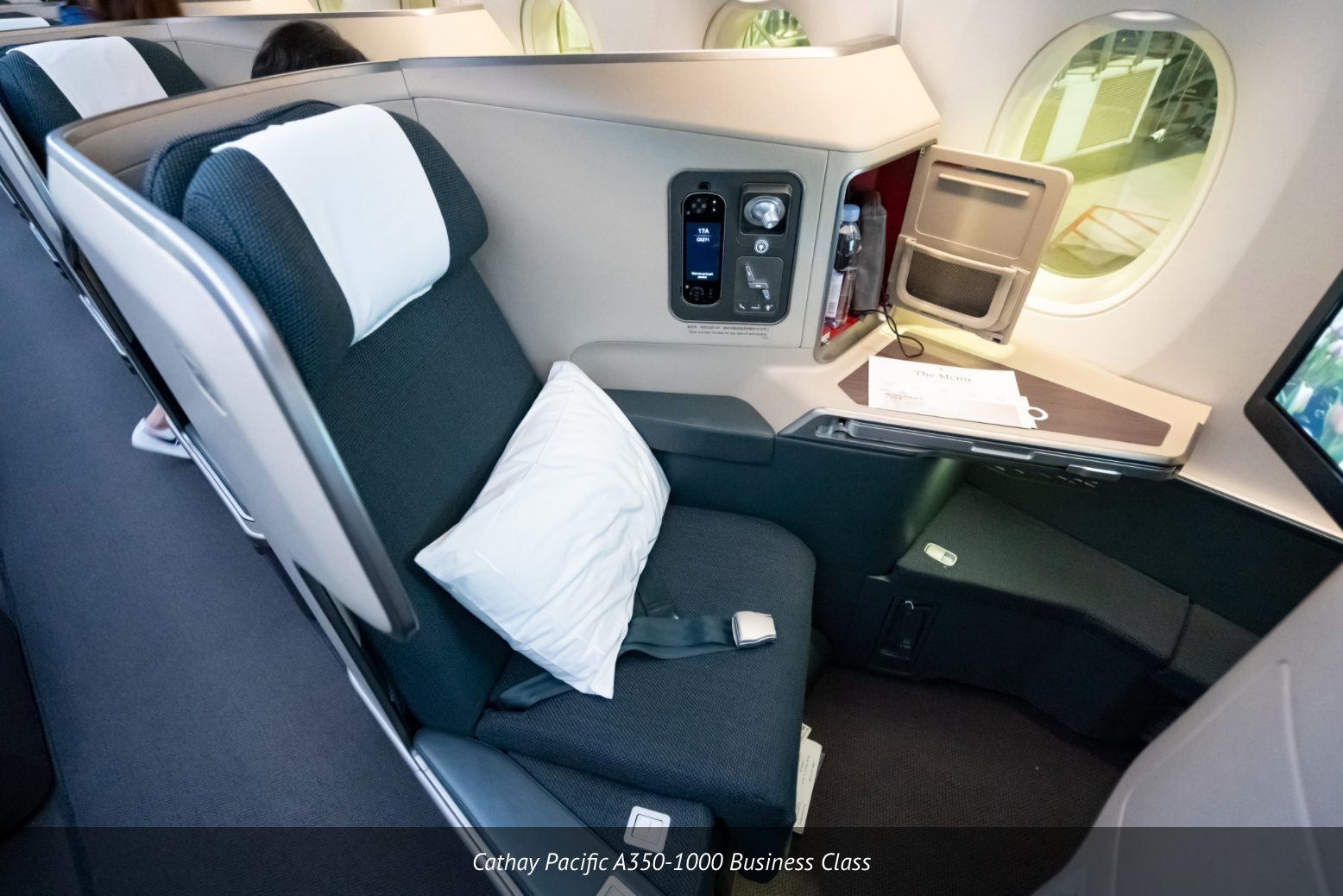
Cathay Pacific business class cabins typically feature a 1-2-1 configuration, ensuring direct aisle access for every passenger. The design prioritizes symmetry, muted colors, and a calm atmosphere.
Emirates also offers 1-2-1 layouts on its newer aircraft, particularly the Airbus A380 and Boeing 777 with updated interiors. Older Emirates configurations may still include 2-3-2 layouts on select routes, which can be a disadvantage for solo travelers.
Size and Privacy
Cathay’s seats are known for their generous width and well-designed privacy shells. While not enclosed suites, they offer effective visual separation and a cocoon-like feel.
Emirates business class seats tend to be spacious, with more visually striking design elements. Privacy varies by aircraft type, with newer cabins offering improved dividers and staggered seating.
Bed Mode and Comfort
Cathay Pacific excels in sleep comfort. Seats convert into fully flat beds with thick mattress pads and high-quality bedding, making them particularly suitable for long overnight flights to Europe.
Emirates also provides fully flat beds, often slightly longer in length. However, mattress quality and softness can vary depending on aircraft and cabin generation.
In-Flight Entertainment and Connectivity
Screen Size and Quality
Cathay Pacific offers high-definition touchscreens with intuitive interfaces. Screen sizes are competitive, though slightly smaller on some older aircraft.
Emirates is an industry leader in this category. Its ICE entertainment system consistently ranks among the best in aviation, featuring large, high-resolution screens across most business class cabins.
Content Selection
Cathay’s content library focuses on curated international films, Asian cinema, and premium television series, appealing to travelers seeking thoughtful selection rather than sheer volume.
Emirates offers one of the largest content libraries in the sky, with thousands of movies, TV shows, music albums, and live TV channels across multiple languages.
Wi-Fi Availability and Pricing
Cathay Pacific provides onboard Wi-Fi on most long-haul aircraft, typically priced by data volume. Performance is generally stable but not industry-leading.
Emirates offers Wi-Fi across its long-haul fleet, with free messaging available for Skywards members and paid packages for full browsing. Speeds are generally reliable, especially on newer aircraft.
Dining in the Sky
Menu Options and Quality
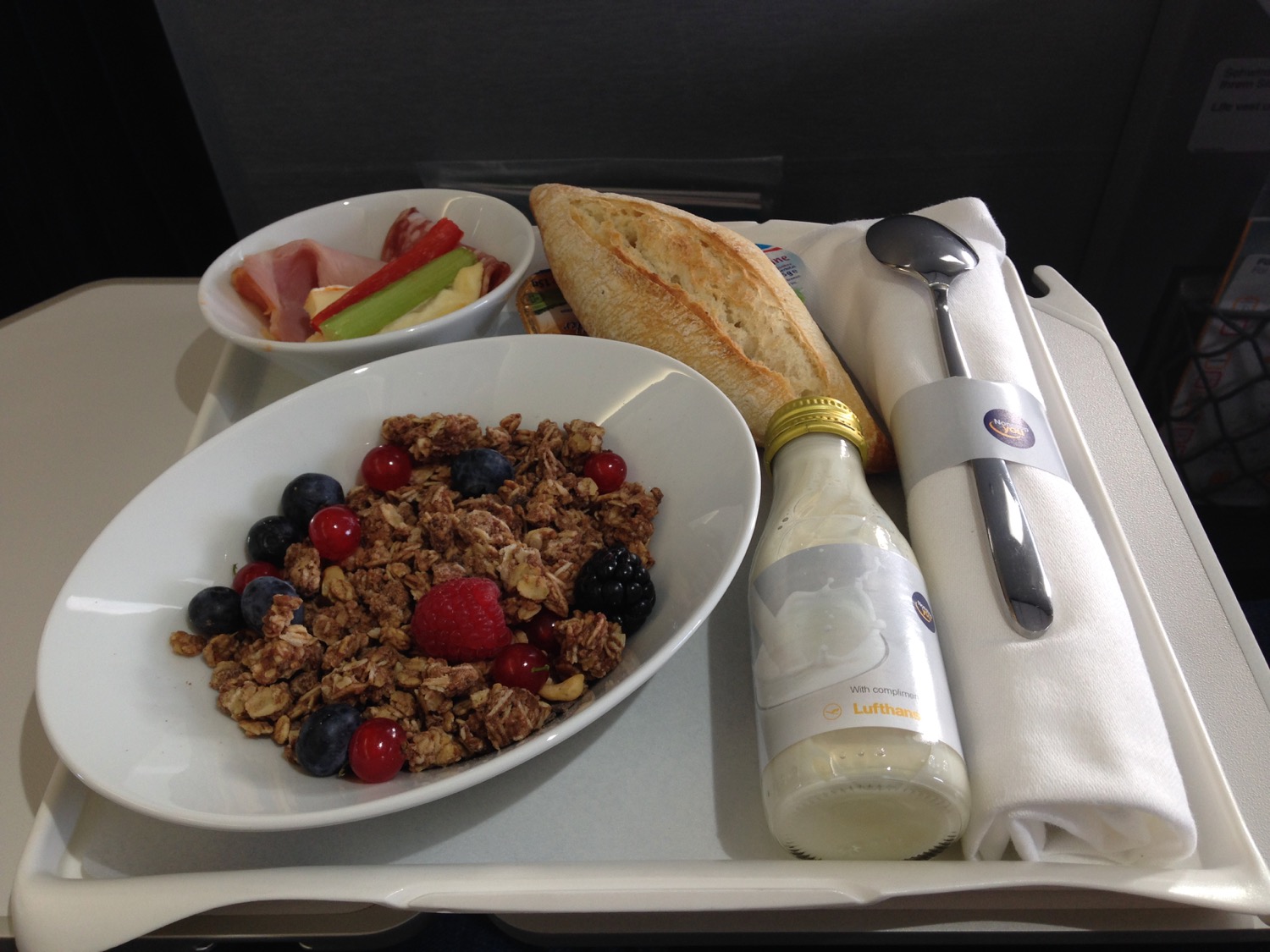
Cathay Pacific emphasizes seasonal menus inspired by Asian and international cuisine. Dishes are designed with balance and subtlety, focusing on quality ingredients and restrained presentation.
Emirates is known for generous portions and a wide-ranging menu that often includes regional specialties, multi-course meals, and extensive choice throughout the flight.
Presentation and Service
Cathay’s dining service is refined and paced, allowing passengers to dine when they prefer. Presentation is elegant and understated.
Emirates delivers a more theatrical dining experience, with elaborate plating, premium tableware, and frequent service interactions.
Beverage Selection
Cathay Pacific offers a well-curated wine list and quality champagne selections, though the range is typically narrower than Emirates.
Emirates stands out with an extensive beverage program, including high-end wines, premium spirits, and consistent champagne offerings on most long-haul routes.
Onboard Amenities
Amenity Kits
Cathay Pacific provides minimalist yet practical amenity kits featuring skincare products, socks, and eye masks, often aligned with premium lifestyle brands.
Emirates offers more elaborate amenity kits, frequently rotating designs and including a broader range of products.
Pajamas / Sleepwear
Cathay Pacific generally does not offer pajamas in business class, reserving them for first class on select routes.
Emirates provides complimentary pajamas on many long-haul business class flights, a notable differentiator for overnight travel.
Other Comfort Items
Both airlines supply high-quality pillows, blankets, and noise-canceling headphones, though Emirates’ accessories tend to be more visually luxurious, while Cathay’s emphasize comfort and restraint.
Service and Hospitality
Crew Attentiveness and Professionalism
Cathay Pacific cabin crews are known for calm, unobtrusive professionalism. Service is attentive but never intrusive.
Emirates crews are highly visible and proactive, frequently checking on passengers and offering assistance throughout the flight.
Personalization of Service
Cathay excels at subtle personalization, remembering passenger preferences without overt emphasis.
Emirates focuses on visible personalization, often addressing passengers by name and proactively offering refills or additional amenities.
Special Touches
Cathay’s special touches are quiet—turndown service, gentle lighting transitions, and a serene cabin environment.
Emirates incorporates more standout elements, including onboard bars on the A380 and more frequent service interactions.
Routes and Connectivity
Flight Options from US to Europe
Both airlines route U.S.–Europe passengers via their respective hubs. Cathay connects through Hong Kong, which can add distance but offers a premium long-haul experience.
Emirates connects via Dubai, often offering more frequency and route flexibility for European destinations.
Stopover Possibilities
Cathay Pacific allows stopovers in Hong Kong, appealing to travelers interested in combining Asia and Europe in one itinerary.
Emirates actively promotes Dubai stopovers, with dedicated programs and simplified visa processes for many nationalities.
Ease of Connections
Dubai International Airport is designed for high-volume transfers and generally offers smooth connections.
Hong Kong International Airport is efficient and calm, with shorter walking distances and clearer wayfinding for many passengers.
Loyalty Has Its Rewards – Frequent Flyer Programs
Cathay Pacific: Marco Polo Club
Cathay’s Marco Polo Club and Asia Miles program integrate seamlessly with oneworld partners. Benefits include lounge access, priority services, and mileage redemption flexibility across partner airlines.
Emirates: Skywards
Emirates Skywards offers broad earning opportunities and strong brand recognition. While redemption values can vary, elite members enjoy lounge access, upgrades, and priority services across Emirates’ global network.
Price and Value Proposition
Average Fares Comparison
Emirates business class fares to Europe are often competitive and widely available, particularly during sales periods.
Cathay Pacific fares can be higher on certain routes but often reflect a more consistent product experience.
Additional Perks
Emirates provides more visible extras—chauffeur service in select markets, pajamas, and onboard lounges on the A380.
Cathay focuses on consistency, comfort, and refined service rather than headline features.
Overall Value for Money
The better value depends on traveler priorities:
Cathay Pacific – Pros / Cons
Superior sleep comfort
Calm, refined cabin atmosphere
– Fewer “luxury extras”
– Limited direct Europe routing
Emirates – Pros / Cons
Industry-leading entertainment
Extensive amenities and beverage program
– Product inconsistency on older aircraft
– Busier cabin environment

